

How to Enhance Sleep Technology in Australia Through Innovative CPAP Designs

Optimising CPAP Design
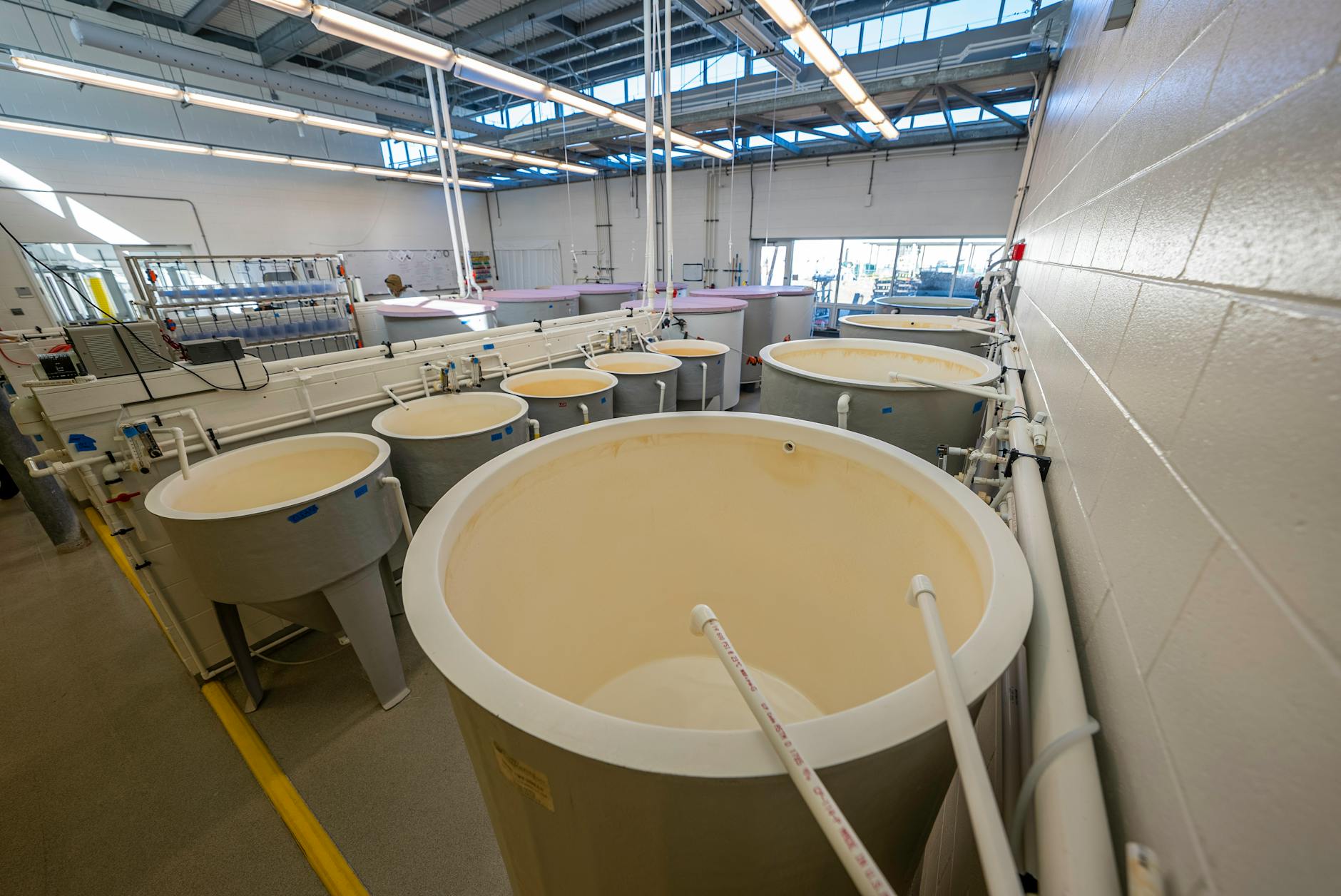
When working on sleep solutions like CPAP units for sale, it’s crucial to delve into the intricacies of design optimisation. A well-designed CPAP machine can significantly enhance comfort, promoting better adherence to therapy. Drawing insights from the practical environments at the engineering facilities at the University of Western Australia, we can refine the ergonomics to deliver a more user-friendly experience.
Enhancing Ergonomics
The foundation of any effective CPAP machine lies in its ergonomic design. By focusing on comfort and accessibility, we ensure that users engage consistently with the device. A robust case study from a recent project demonstrated a marked increase in user satisfaction when adjustments were made to the mask’s fit and cushion technology.
Simplifying User Interface
Another core aspect is the user interface, which must be intuitive enough for users of all ages to operate with ease. At laboratories similar to those found in the Perth Innovation Hub, engineers have been working tirelessly on interfaces that reduce the learning curve and enhance user interaction.
Incorporating Advanced Features
The integration of advanced features is a testament to technological progress. Innovations like adjustable pressure settings and automatic altitude adjustments were validated through design workshops akin to those at Silicon Beach Perth. By incorporating these elements, Philips CPAP masks and ResMed AirFit F20 full face mask address specialised user needs, elevating the overall efficacy and consumer appeal.
Integrating Smart Technology
In the realm of CPAP enhancements, integrating smart technology is an imperative focus for boosting functionality and offers a unique opportunity for innovation. Leveraging IoT capabilities in CPAP devices can significantly extend their utility. Imagine a CPAP machine that not only provides real-time therapy adjustments but also syncs data directly to your smartphone. This seamless connectivity can enable users to monitor their sleep nasal pillow mask parameters effortlessly, offering tailored insights and suggestions from the comfort of their own homes.
Machine learning is another exciting avenue within CPAP technology. With machine learning applications, we can begin to see adaptive algorithms that learn from user habits over time. This could lead to more accurate airflow adjustments, offering a more personalised treatment experience. Think of it as a dynamic assistant that understands your sleep patterns and optimises settings in ways a static device never could.
Similarly, remote monitoring tools present a promising development for integrating advanced CPAP masks Australia. Such tools can allow healthcare providers to monitor therapy effectiveness remotely. By providing timely intervention based on real-time analytics, these innovations help stay ahead of potential complications. Drawing insights from case studies at the University of Western Australia's engineering facilities, it's evident that these technological strides can enhance both user satisfaction and treatment efficiency, ensuring your projects remain at the forefront of innovation in healthcare technology.
Ensuring Regulatory Compliance
Navigating Australian Standards
In the realm of cpap machine development, a crucial aspect is adhering to the stringent Australian standards. Compliance with standards such as AS/NZS 3200 entails comprehensive evaluation and iterative testing to ensure safety and effectiveness. Collaborating with facilities like the engineering labs at the University of Western Australia can be invaluable. They offer access to testing equipment that meets industry expectations, supporting the alignment of your technological innovations with regulatory requirements.
Implementing Safety Protocols
Prioritising safety, particularly in the context of CPAP machines like the AirSense 11 Elite, mandates implementing rigorous safety protocols. This includes establishing guidelines for hazard identification and creating robust fail-safes to mitigate risks. Innovative engineers consider user feedback to refine safety measures, ensuring devices remain user-friendly while meeting safety criteria. Simple steps, such as routine audits and adapting to emerging safety technologies, are pivotal.
Achieving Certification Excellence
Certification is often seen as an onerous process, but it is critical for penetrating the medical device market. Engaging with bodies like the Therapeutic Goods Administration (TGA) early in the product development cycle can facilitate a smoother path to certification. It’s essential to align product testing and documentation rigorously to TGA requirements. Insightful case studies show success often follows a transparent, well-documented approach to the certification process.
Understanding these elements helps ensure CPAP device designs not only meet regulatory standards but also enhance user trust and satisfaction.
Tackling Design Challenges
Addressing User Feedback
Incorporating user feedback is crucial for engineers like myself striving to enhance the design of personal healthcare devices. When diving into user-centric product design, I focus on actual users' experiences with CPAP machines, collecting detailed feedback to guide improvements. An insightful case study from my recent projects showcased users who appreciated the comfort provided by the Resmed Air Touch mask, but desired more customisation options. We translated this feedback into design adjustments, improving the mask's adaptability without compromising on comfort.
Overcoming Technological Barriers
Technological barriers present a challenging aspect in our continuous quest for innovation. While developing advanced CPAP machines, we are faced with constraints such as integrating complex features without increasing the device size. Through a collaborative effort with teams from the Perth Innovation Hub, we experimented with miniaturisation techniques. We managed to incorporate the advanced features of the Resmed Autoset CPAP into a streamlined design, maintaining functionality while enhancing user experience.
Innovating Within Constraints
Innovating within constraints demands a strategic approach. Budget constraints and strict regulatory standards often limit the breadth of possibilities, yet by adopting a methodical process similar to those found in the engineering facilities at the University of Western Australia, we exploit every resource wisely. Emphasising modular design, our teams can swiftly adapt to new challenges, ensuring both compliance and innovation are met. Our approach in tackling these design challenges focuses on leveraging user feedback, breaking down technological barriers, and innovating within constraints, fostering the development of superior healthcare devices.
Best Practices for CPAP Development
Focusing on User-Centric Design
Incorporating a user-centric approach in CPAP design is paramount. By prioritising users’ needs and preferences, we ensure that devices remain intuitive and accessible. Utilising feedback from user studies held at the engineering facilities at the University of Western Australia sheds light on not only the physical comfort but also the operational ease of CPAP machines. This iterative design process allows us to rectify design flaws and enhance overall user satisfaction.
Harnessing Cross-Disciplinary Expertise
As I've witnessed at the Perth Innovation Hub, venturing into cross-disciplinary collaborations enriches the design and functionality of engineering products. Melding insights from respiratory therapists, biomedical engineers, and data analysts can lead to ground-breaking innovations. When we leverage different fields’ expertise, components like humidity control and noise reduction in CPAP devices can be greatly refined. Implementing design workshops at Silicon Beach Perth further exemplifies the potential of collaborative innovation.
Keeping Abreast of Industry Trends
Remaining updated on the latest advancements is crucial. From the integration of machine learning applications that enhance AI-driven operational feedback, to the ever-evolving IoT capabilities that allow better patient monitoring, staying informed is key. Organising periodic workshops and seminars can facilitate awareness and idea-sharing among professionals. As rapid technological advancements unfold, those who fail to adapt risk falling behind in both efficacy and market relevance.